Green Initiatives: How E-Waste Recycling Services Are Protecting Our Planet
E-waste represents a considerable hazard to the environment, as discarded electronics often contain toxic materials. These hazardous substances can contaminate soil and water, resulting in widespread environmental harm. E-waste recycling initiatives provide a practical answer. They not only recover valuable resources but also mitigate pollution. Understanding how these services operate and their impact on communities is essential. Pursuing efficient e-waste management brings forth pressing questions regarding individual duties and shared responsibility. What measures can be pursued from this point onward?
How E-Waste Is Hurting the Planet
While technology enhances modern life, e-waste creates considerable environmental hazards. Disposed electronic equipment, commonly laden with hazardous materials such as mercury, lead, and cadmium, may release harmful substances into the surrounding soil and water supply, posing risks to human health and ecosystems. The swift progression of technology leads to increased consumer turnover of electronics, exacerbating the accumulation of electronic waste.
Landfills, already strained by waste, are unable to keep up with the rising quantities of abandoned electronics. Incineration, another disposal method, releases harmful pollutants into the atmosphere, contributing to air quality degradation. In addition, improper recycling practices can lead to the exportation of e-waste to developing countries, where laborers may dismantle devices without adequate safety measures, exposing themselves to dangerous substances. This cycle of neglect and improper handling underscores the urgent need for sustainable recycling solutions that can mitigate the adverse effects of e-waste on the planet.
What Is E-Waste and Why Is It Important?
E-waste, also referred to as electronic waste, comprises obsolete electronic products such as smartphones, computers, and televisions that are no longer functional or needed. This growing category of waste is significant due to its rapid accumulation, fueled by innovation in technology and shifting consumer habits. With an increasing number of devices reaching obsolescence, the ecological consequences become more pronounced, with dangerous elements including lead, mercury, and cadmium posing risks to ecosystems and human health.
Addressing e-waste is crucial not only for reducing these dangers but also for acknowledging the precious materials found within it. Precious metals and rare earth elements can be recovered and reused, reducing the need for mining and conserving natural resources. Through a deeper awareness of e-waste and its consequences, both individuals and organizations can make well-informed choices regarding disposal and recycling, thereby supporting a more sustainable future. Responsible management of e-waste plays a key role in supporting a circular economy and championing environmental stewardship.
How the E-Waste Recycling Process Works
E-waste recycling entails an organized procedure intended to extract beneficial components while limiting ecological damage. At the outset, discarded electronics are retrieved and sent to purpose-built recycling plants. After reaching the facility, the devices undergo thorough sorting to distinguish harmful elements from reusable resources.
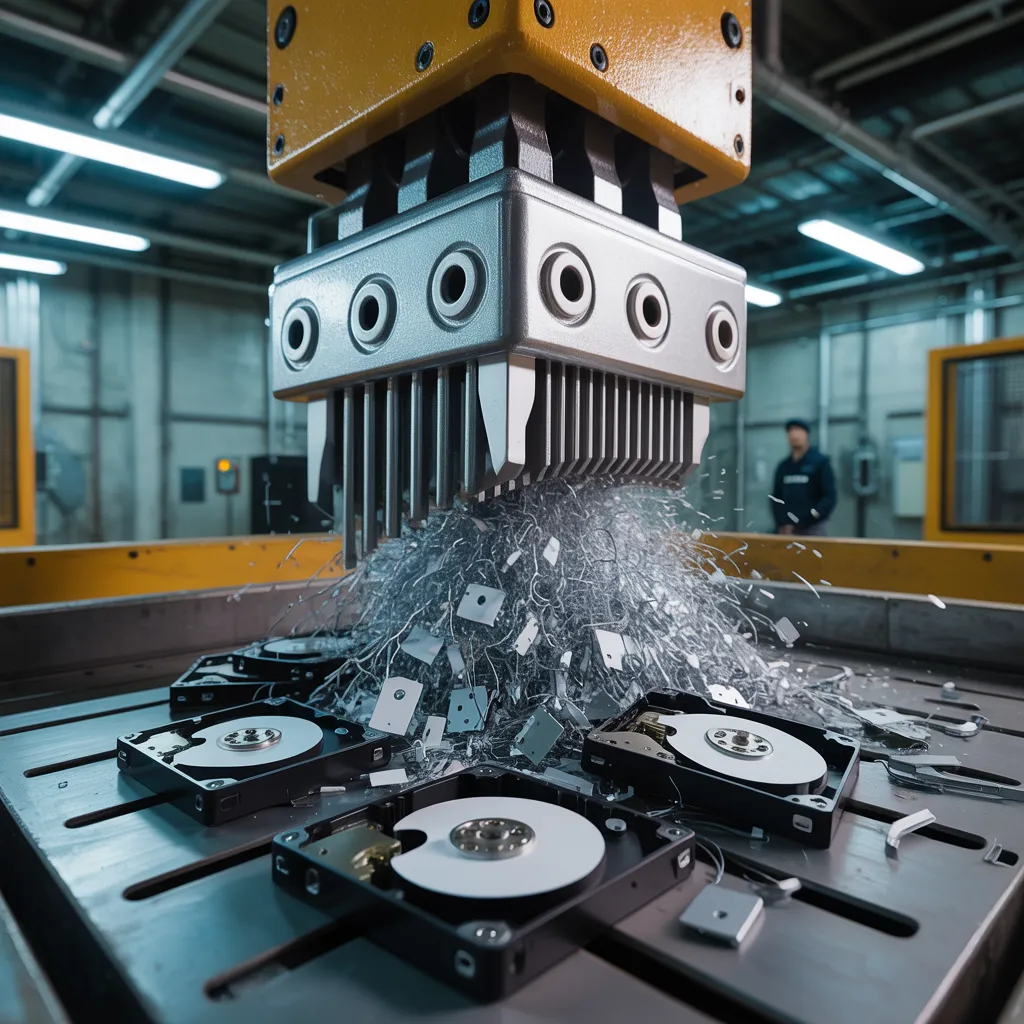
Following this, specialists deconstruct the electronics, separating plastics, metals, and glass. This step is critical, as it facilitates the reclamation of valuable metals like copper, gold, and silver, which can be reused in modern electronics.
Next, the separated materials are refined through sophisticated techniques, such as mechanical shredding and chemical processing, to purify them for further use.
Finally, the leftover hazardous waste is handled with responsibility, adhering to environmental guidelines. This comprehensive process not only conserves resources but also mitigates the risks associated with irresponsible electronic waste disposal, ensuring a more sustainable future for electronic device usage.
Why E-Waste Recycling Matters for You and Your Community
While many individuals may not realize it, the positive effects of e-waste recycling go far beyond individual benefit and actively shape entire communities. By carefully processing electronic waste, individuals play a role in creating a safer environment, decreasing toxic components that can leach into soil and water. This responsible method helps preserve local ecosystems and advances public health.
Furthermore, e-waste recycling promotes job creation within communities. Community recycling operations commonly require workers for various operations, spanning collection through processing, therefore offering work opportunities within the community. This not only boosts the local economy but also fosters community involvement in eco-friendly practices.
In addition, knowledge about e-waste recycling can lead to educational initiatives, empowering residents to embrace sustainable practices. By engaging with e-waste recycling programs, individuals cultivate a culture of sustainability, encouraging others to do the same. In summary, the cumulative impact of these actions can contribute to a more resilient and environmentally responsible community.
How to Select an E-Waste Recycling Service
Selecting the best electronic waste recycling provider is crucial for ensuring that electronic waste is managed with responsibility and sustainability. To begin, consumers should check the provider's accreditations, such as e-Stewards or R2, which demonstrate adherence to industry standards for safe recycling practices. Additionally, it is advisable to evaluate the organization's standing by reading customer reviews and seeking advice from dependable sources.
Furthermore, openness in the recycling process is crucial. A reliable provider should offer detailed insights about the way e-waste is handled and what happens to the materials. Additionally, considering the scope of services provided can prove valuable; certain providers may offer collection services or present rewards for recycling.
Finally, familiarizing yourself with local regulations regarding e-waste disposal may further shape the selection process. Through focusing on these key aspects, individuals can contribute to efficient electronic waste handling while also advancing green and responsible behaviors.
How You Can Take Part in E-Waste Recycling?
Getting involved with e-waste recycling may begin at the local level, where recycling centers frequently offer essential services for safe disposal. Moreover, participating in community awareness campaigns can amplify efforts to raise awareness about the importance of responsible e-waste management. These initiatives not only encourage sustainable practices but also foster a collective sense of stewardship of the environment.
Area Recycling Stations
A wide range of community recycling facilities play an essential role in recycling electronic waste, supplying communities with reliable ways to handle electronic waste in a responsible manner. These centers accept a range of digital devices, including aging computers, cell phones, and television sets, ensuring that harmful materials are handled safely. Most stations have experienced team members who can guide individuals on proper disposal methods, highlighting the value of recycling rather than landfilling. Moreover, several stations organize scheduled drop-off occasions or specific collection dates, allowing residents to take part with ease. By engaging with these local facilities, individuals contribute to a circular economy, reducing environmental impact and promoting sustainable practices. Engaging with these centers empowers communities to take action against e-waste pollution effectively.
Community Awareness Campaigns
Nearby organizations, schools, and enterprises can work together to organize events that support e-waste collection drives. Community members can serve a critical function in promoting knowledge, handing out educational content, and interacting with the surrounding community. As a result of these combined actions, community members grow more knowledgeable and inspired to dispose of their electronics responsibly, thereby helping to build a greener and more sustainable tomorrow.
Answers to Your Most Common Questions
What Kinds of Electronics Can Be Recycled?
Many different electronics are able to be recycled, including laptops, televisions, smartphones, printers, computers, and gaming consoles. Additionally, accessories such as mice, keyboards, and batteries are equally appropriate for recycling, supporting environmental conservation efforts.
Do Any Costs Come With E-Waste Recycling?
Indeed, e-waste recycling can include charges, based on the service provider. Some service centers impose charges for collection or processing, while some providers make services available at no charge, frequently supported by the proceeds from salvaged materials.
How Can Businesses Benefit From E-Waste Recycling?
Organizations can gain from e-waste recycling by minimizing disposal costs, improving their green reputation, complying with regulations, extracting valuable resources, and creating potential earnings via resale, thereby fostering a more environmentally responsible business approach.
What Happens to Data on Recycled Devices?
Details on refurbished equipment is frequently permanently erased Browse all or eliminated throughout the recycling process. This confirms sensitive information is kept safe, stopping improper access while permitting resources to be reused safely and responsibly in new products.
Are Broken Electronics Eligible for Recycling?
Yes, damaged electronics are able to be recycled. Many centers take in damaged devices, guaranteeing proper disposal and retrieval of valuable materials. This effort helps reduce environmental impact while fostering responsible recycling practices to control electronic waste effectively.